• About Canvas Prints Blog

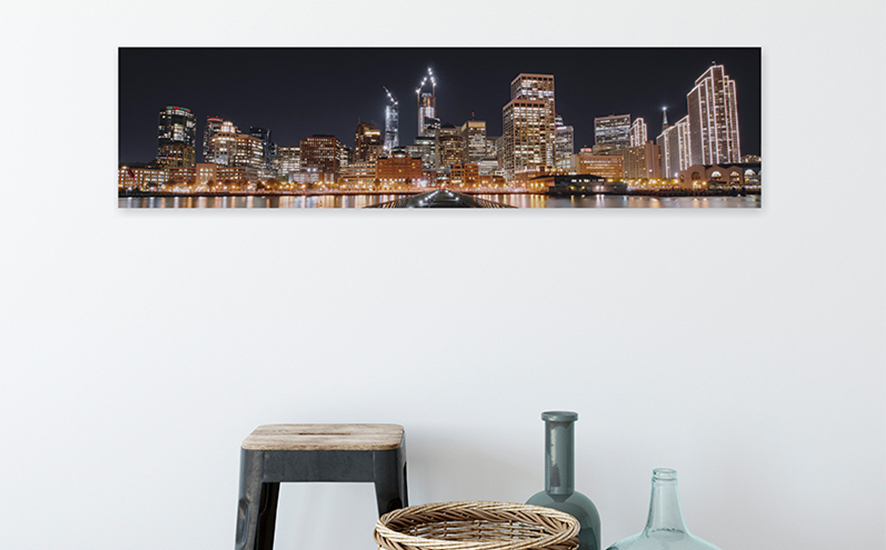
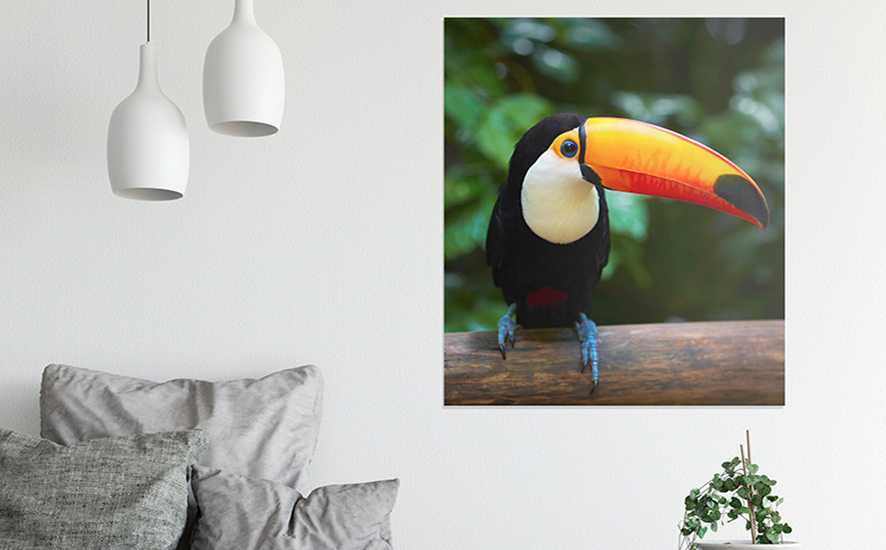
    If you need help and advice regarding high quality canvas printing products for your home, office or as gifts this blog is perfect for you.

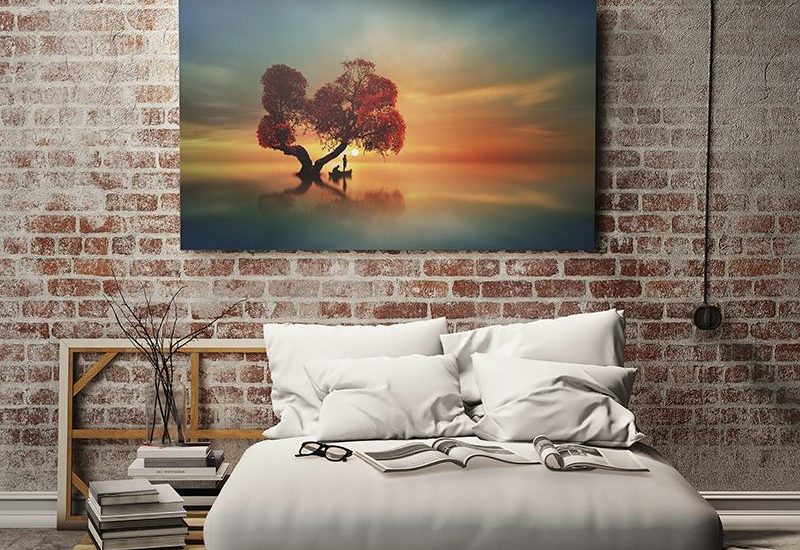
    Or maybe you just need some inspiration on how to put photos on canvas? This blog show you how to improve your home interior and how to create impressive gifts.

    Create the canvas prints of your dreams by adding your very own photos to Photo Canvas outstanding quality prints. Inspiration and information about canvas prints are posted regularly.

Archive for the ‘Uncategorized’ Category


Canvas Prints In 1 Hour

If you want something immediatly, maybe you need a last minute gift or need to get something done before you go on holiday. And you don’t mind waiting for an hour or so we can make you a stunning canvas frame- even a large one – in only one hour. Pretty Amazing isn’t it? Prints in 1 hour!

Even better place the order online and ring ahead. While you are on the way we will be making it. Ideal if you are based in London. Drop us a line!

+44 (0) 20 8964 6228

Posted by admin under Uncategorized Tags:  •  No Comments

Is My Image Good Enough For Printing on Canvas?

Need to know if your photo will print well? We can help. We have a preview service that you can use anytime which gives instant results, and for a human service, designers how can answer your questions if you use our Image Check service. Here are some tips on how to take great photos for printing:

- When you choose your photo, make sure the subject is clear and has enough room around it to fit the shape of your order dimensions. Please take into account that the printed image gets wrapped around to the reverse of the stretcher bar frame. This means approximately 2-3cm of your image (on all four sides) will not be visible ‘head on’ when looking at the finished piece.
- Please be sure to avoid any key subject at the very edge of the photo if you want a wrap. We do our very best to avoid losing any key features on the edge, but it is worth noting this point at the stage of choosing your photo. If you are ordering the deeper block frame then 4-5 cm of the image (on all four sides) is wrapped to the sides and back of the frame.

Or call us for free on Skype:

Business Address:

Contrado Imaging Limited
756 Harrow Road
London NW10 5LE

Posted by admin under Uncategorized Tags:  •  No Comments

Uploading Photos

Uploading photos to the web is very simple, but if it’s your first time it may feel quite scary, but don’t worry, below explains how it is in fact very straight forward and safe.

Saving photos on your computer for photo gifts

When you use digital cameras and phones to take all your photos, it’s amazing how easy it is for them to mount up and fill up the camera or memory cards. The natural thing to do is to copy them to your computer. The common place to put them is in ‘My Pictures’.

When you use a web site such as www.bagsoflove.co.uk to upload your photos, you are presented with an upload service. On the whole, they work with a simple page where you browse to your file and upload the photo. On PC it works like this.

You press the browse to button, locate the file in your local pc system by looking through the folders and directory listings, click on the file name, or set to view thumbnails and click on the thumbnail and then press ‘open’. When that is done the web page will display and ‘upload’ button. That button is the one which orders the transfer of the file to the web sites server computer. A progress bar usually indicates the amount of transfer happening and then when complete is usual to see a thumbnail of the image you have uploaded.

One thing to bear in mind when transferring photos is that many web sites dramatically reduce the size of the file to preserve their storage space. This is not so at Photo Canvas all transferred photos remains at the same transferred sized.

Posted by admin under Uncategorized  •  No Comments

Small File Sizes

About Small File Sizes

With the advent of photo sharing sites and the wide usage of photo emailing, the providers of these services often make quite drastic changes to the size of your files. Typically a modern digital camera on standard settings will take a photo and make a file of say 1 to 2mb. If you join a photo sharing web site or use email service such as hotmail to store or send photos you will find the file is reduced in size to suit web and monitor display purposes. This is not ideal for making good print use of your photo as they reduce the files typically to 40-60kb.

Unfortunately the files that are that reduced are not really useable for printing except in small items – say purses. good and simple tip is to enlarge it to review. If you enlarge it on your screen you will see what I mean. This may be because it was emailed to you or that it was copied from web or file sharing service or maybe from camera phone. If you can find the original source file or a larger version we can make it for you with same day despatch.

NOTE to Hotmail users – attach image as a FILE not a PHOTO otherwise Hotmail will reduce the size

Do you know about our sister site www.bagsoflove.co.uk ? We make lots of smaller items like make up and wash bags – because they are smaller the image will work on them.

Posted by admin under Uncategorized Tags:  •  No Comments

A Brief History Of The Photograph

The same optical principle of modern cameras was used in ancient times to capture light and form images. A pinhole was inserted through the wall of a darkened room to transmit an inverted image of the scene outside. Aristotle first mentioned this technique in the 4th century BC. The pinhole was later adapted into a telescopic lens to focus wavelengths of light. At the time, this was probably the equivalent of being at a Pink Floyd laser show.

Developments in chemistry gained the ability to capture the light as a negative photograph. In the early 17th century, a photo-sensitive compound was created using chalk, nitric acid and silver to reveal darkened images when exposed to sunlight. This became photo-sensitive paper to create a permanent negative image. Unlimited positive images could then be created through contact printing from the negative onto paper. An early colour photo could be created by using a colour separation method, and three black and white photographs were each taken through a red, green, or blue filter. The artistic opportunities for using photographic images creatively began to take shape.

Fast forward to 1888, and the first Kodak camera was created containing a 20-foot roll of paper. The following year, the paper was replaced with a roll of film to eventually develop into panchromatic black and white film in 1906. The dawn of commercial colour film photography is born, leading to what would later become instant colour film and underwater photo technology in the early 1960s.

So far, we have come all the way from glorified shadow bunnies on the wall to scuba divers taking photos of manta rays. This is like comparing the manufacturers of Fred Flintstone’s stone Ferrari to the McLaren Mercedes Team. The next significant light year for photography was yet to come when in 1991 Kodak produced the first digital SLR camera. A decade later in Japan, camera technology was fused with a pared down version of the mobile phone house brick, and the svelte camera phone was born.

Posted by admin under Uncategorized Tags:  •  No Comments

Canvas Prints Need Quality Frames and Wedges

Great new improvements to our stretcher bar frames means extra depth for your photo canvas at no extra cost. Standard frame used to be 2cm but now the depth is 2.5cm (1″), and for the chunkier block look, we have 4.5cm instead of 4cm.

canvas frame and wedge

The timber used is laminated pine (see picture) giving excellent strength and anti-warping properties. The pine timber we use comes from a ‘renewable sustainable’ farm partner. It’s fast growing softwood so does not come from rainforest territories. These new bars are perfectly machined giving an excellent lipped profile to make your canvas become a perfect finished piece.

Posted by admin under Uncategorized Tags: ,  •  No Comments